
The soft skills most valued by employers
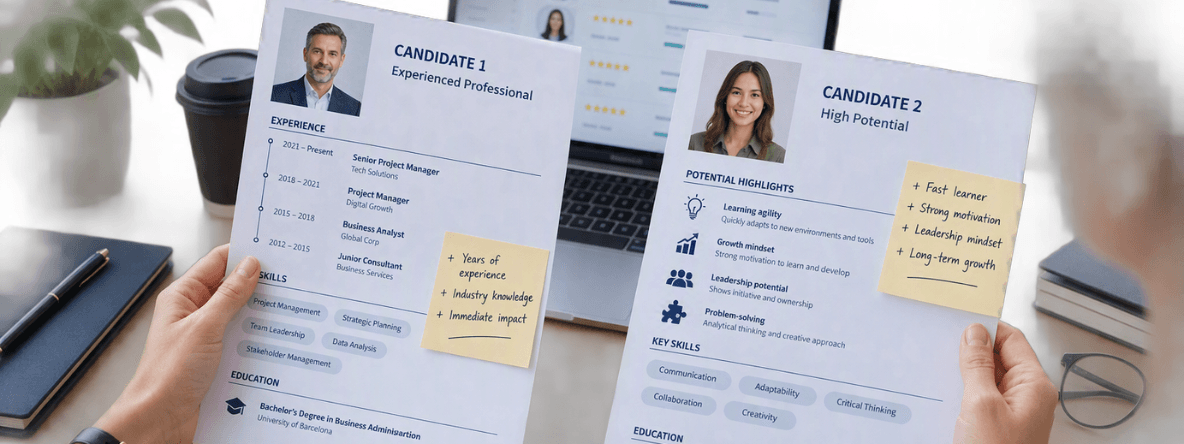
Technical skills continue to play an important role in recruitment processes, but more and more organizations are paying close attention to soft skills. These competencies are related to how individuals communicate, collaborate, solve problems, and adapt to change.In today's constantly evolving workplace, companies are not only looking for professionals with strong technical expertise but also for individuals who can work effectively with others, embrace new challenges, and contribute to long-term success. As a result, soft skills have become a key factor in attracting, developing, and retaining talent.
What are soft skills?Soft skills are personal and interpersonal competencies that influence how individuals interact with others and perform in the workplace.Unlike technical skills, they are often transferable across different roles, industries, and organizations.
AdaptabilityThe ability to adapt to new situations is one of the most sought-after skills in today's job market.Technological advances, changing work environments, and evolving business needs require professionals who can learn quickly, manage uncertainty, and respond positively to new challenges.
Effective communicationBeing able to communicate ideas clearly and professionally is essential in any work environment.Effective communication involves not only speaking and writing well but also listening actively, understanding different perspectives, and sharing information appropriately.
TeamworkCollaboration is essential for achieving common goals.Companies value professionals who can work effectively with people from different backgrounds, share knowledge, and contribute to a positive and productive work environment.
Problem-solvingEmployees who can identify challenges and develop effective solutions bring significant value to organizations.This skill involves analyzing situations, evaluating alternatives, and making decisions that help improve processes and outcomes.
Emotional intelligenceEmotional intelligence is the ability to recognize, understand, and manage one's own emotions while also interacting effectively with others.This competency is particularly important for handling conflicts, working under pressure, and maintaining strong professional relationships.
Critical thinkingOrganizations seek individuals who can assess information objectively and make informed decisions.Critical thinking enables professionals to identify opportunities for improvement, challenge existing processes when necessary, and contribute fresh perspectives to the workplace.
LeadershipLeadership is not limited to managerial positions.The ability to positively influence others, take initiative, and motivate colleagues is increasingly valued at all levels within an organization.
Time managementOrganizing tasks, setting priorities, and meeting deadlines are essential skills for maintaining productivity.Strong time management enables professionals to work more efficiently and handle daily responsibilities effectively.
CreativityCreativity is not limited to artistic professions. It also involves generating innovative ideas, finding new ways to solve problems, and adapting to changing situations.Companies increasingly value professionals who can provide original solutions and improve existing processes.
How to develop soft skillsAlthough some individuals may naturally excel in certain areas, soft skills can be developed through practice and experience.Some ways to strengthen these skills include:
- Seeking feedback from colleagues and managers.
- Participating in collaborative projects.
- Taking on a new professional challenges.
- Investing un training and personal development.
- Practicing active listening and effective communication.
- Looking for opportunities to lead initiatives or teams.
ConclusionSoft skills have become a key differentiator in recruitment processes. Competencies such as adaptability, communication, teamwork, emotional intelligence, and problem-solving are increasingly valued by employers, regardless of industry or position.In an environment where technical knowledge can be updated relatively quickly, human skills remain one of the most important drivers of both professional and organizational success.